
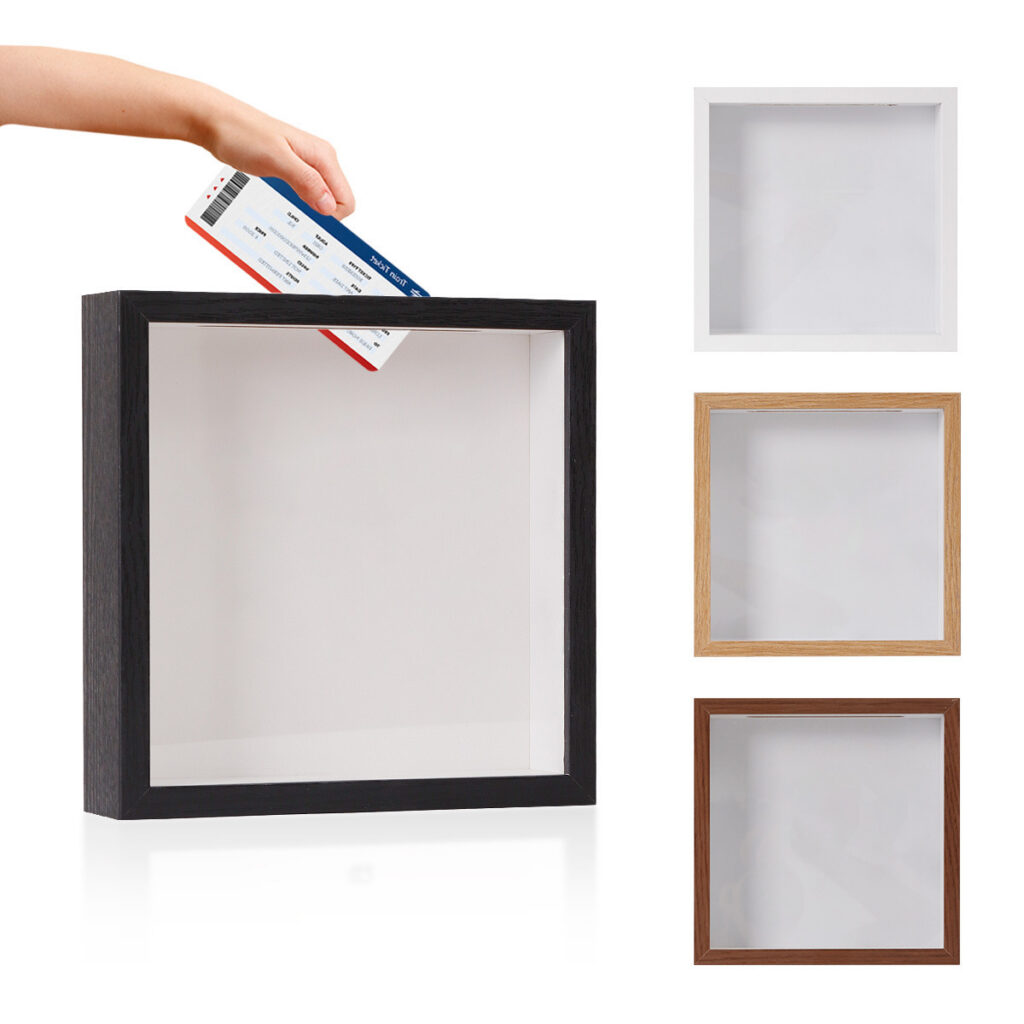
Ticket Frame Samples: Record the Retrieval Method
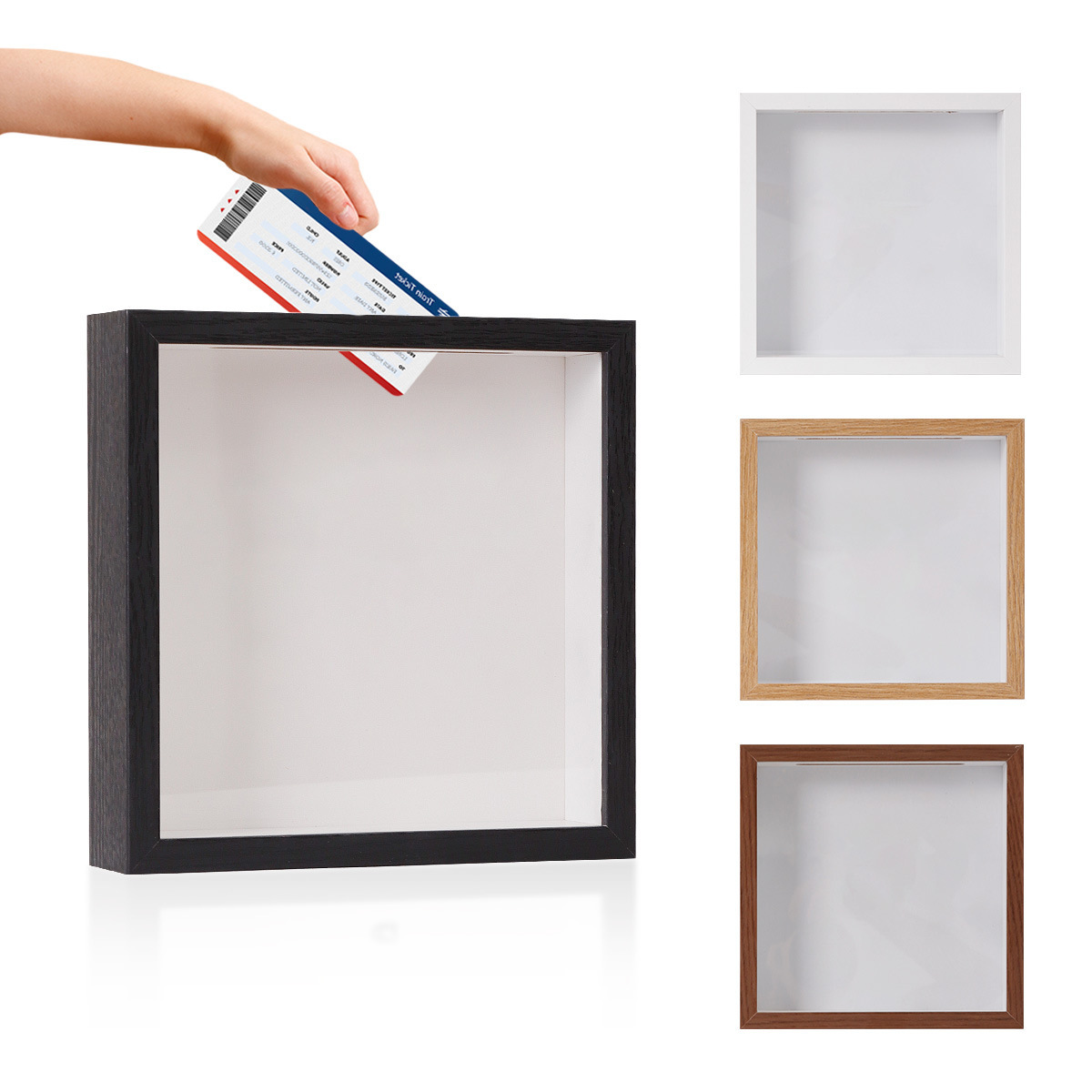
A ticket-frame retrieval record should identify the actual sample and ask the supplier to demonstrate how collected contents are removed and the same assembly is closed again. Record the access feature, any loose components and the observed condition afterwards. A top entrance shown in the catalogue does not establish a rear opening, a reusable closure or a verified method for retrieving the contents. Keep those details pending until the supplier provides relevant evidence.
The Qingen Ticket Stub Storage Photo Frame description identifies an upper opening, while the selected gallery views show the frame from the front. A buyer can therefore identify the product family and request entrance information, yet still lack the information needed to understand later retrieval. This guide concerns that separate purchasing question. It provides a record for a supplier demonstration rather than instructions for opening an unseen product.
Keep collection access and retrieval access separate
Name the upper entrance as one feature and ask which feature the supplier proposes for removing collected paper contents. Do not assume the contents leave by the same route or that a backing panel can be detached. A catalogue statement about storing ticket stubs describes an intended product reference; it does not show the entire access arrangement. Request the missing view or explanation for the offered version.
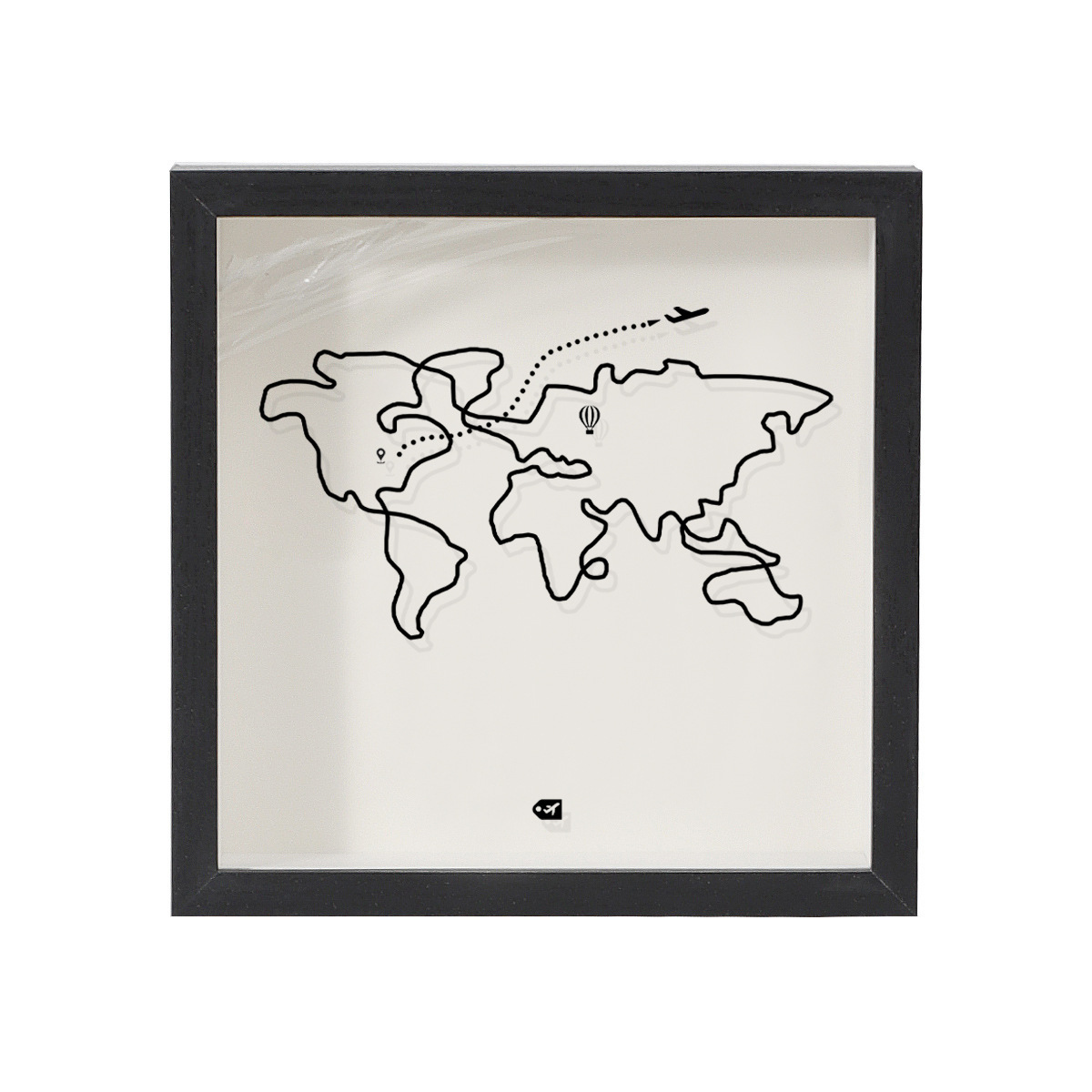
Keep this request separate from the slot dimension sheet. An answer about the entrance opening can be complete for that limited question while leaving retrieval unresolved. Similarly, acceptance of the front graphic does not establish how a hidden retainer works. The enquiry should make those distinctions clear so the supplier can respond to the actual missing information rather than repeating the front product image.
Identify the demonstration sample and its starting condition
Ask the supplier to identify the exact frame sample, version and starting configuration used in the demonstration. Request a relevant view of the proposed access area before it is opened. If representative paper contents are used, name them in the record and distinguish them from catalogue props. An unknown sample in a short video cannot automatically establish the arrangement of the frame being quoted.
Record whether the supplier demonstrates a complete sample or only explains a drawing. Both can be useful, but they answer different questions. A drawing proposes an arrangement; an observed demonstration records what happened to an identified assembly. Keep any missing rear view, unclear component identity or unanswered handling question visible. Do not complete those fields from the silhouette of the front surround.
- Ask which feature is intended for retrieval, without assuming a rear opening.
- Identify the actual sample and distinguish drawings from observations.
- Record removed components and the same assembly after reclosure.
Document removal and reclosure without inventing a procedure
Request a supplier-led demonstration appropriate to the actual construction and record the method they show. Identify any separate component removed, retained or replaced during that demonstration. Do not prescribe a tool, bending direction or fastener sequence from the catalogue images. Where the supplied information is incomplete, ask for clarification rather than making a trial on an unknown assembly and calling the result an approved method.
Record how the supplier returns the same sample to its demonstrated closed configuration. Ask which components remain part of the supplied assembly afterwards and retain a relevant completion view. If a component is changed during the demonstration, identify that change separately. A record of one observed opening and closure does not establish repeated-use life, retention strength or the condition of every future unit.
| Demonstration field | Evidence requested | Decision limit |
|---|---|---|
| Access feature | Offered-version explanation and relevant view | Not inferred from the entrance slot |
| Sample identity | Version and starting configuration | Not an unidentified similar frame |
| Removed components | Supplier-demonstrated accounting | No invented opening instructions |
| Reclosed condition | Completion view and limited observation | No cycle-life or strength guarantee |
Close the review with a limited, traceable outcome
Use separate decision lines for access explanation, contents removal, component accounting and the final demonstrated configuration. Mark each as observed, clarified or still pending. Keep the images or video reference linked to the sample identity and supplier response. This makes a later reviewer able to distinguish a completed demonstration from a promise to supply one or an assumption carried over from a different frame.
Retain the retrieval record with the offer revision, while leaving the slot and artwork records separate. If the backing, retainer or other access component changes, ask which observations need to be repeated for the new version. Do not extend a previous acceptance to an unexamined alternative. The result is a clear procurement evidence request, not a maintenance guide, an archival claim or an assurance about safe handling of valuable documents.
Frequently Asked Questions
Does the upper slot explain how contents are retrieved?
No. It identifies an entrance. Ask for the actual retrieval arrangement of the offered version.
Can the front gallery prove a removable back?
No. These front references do not establish the hidden access construction or its method of operation.
Does one demonstration establish repeated-use life?
No. It documents one identified observation. Any separate performance requirement needs an appropriate agreed method and evidence.
Can this record replace the slot and artwork records?
No. They resolve different purchasing questions and should remain separately traceable to the same selected product revision.
Identify the proposed version using the official ticket-frame page. Read the Qingen article archive and contact the supplier for the missing access views and an identified retrieval-and-reclosure demonstration.