
Ticket Frame RFQs: Define the Drop Slot
Define a ticket frame drop slot by its location, the endpoints being measured and the representative paper items the buyer wants the supplier to review. Keep the entrance opening distinct from the visible display area and from any separate way of retrieving collected tickets. Record the offered frame revision and the supplier response before treating a catalogue slot dimension as confirmation that the intended inserts will pass through it.
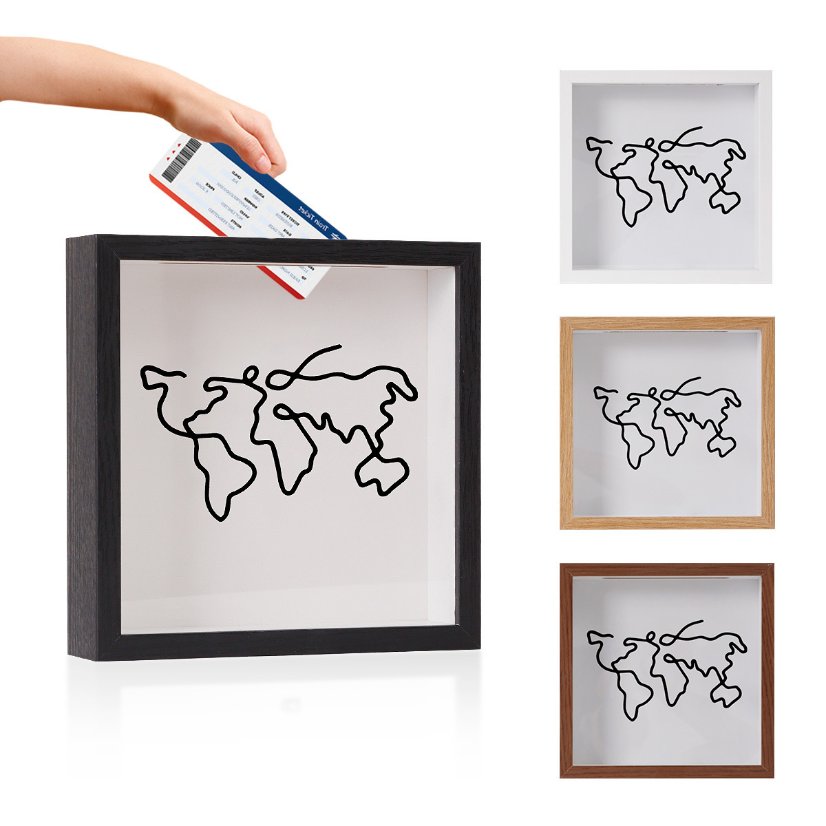
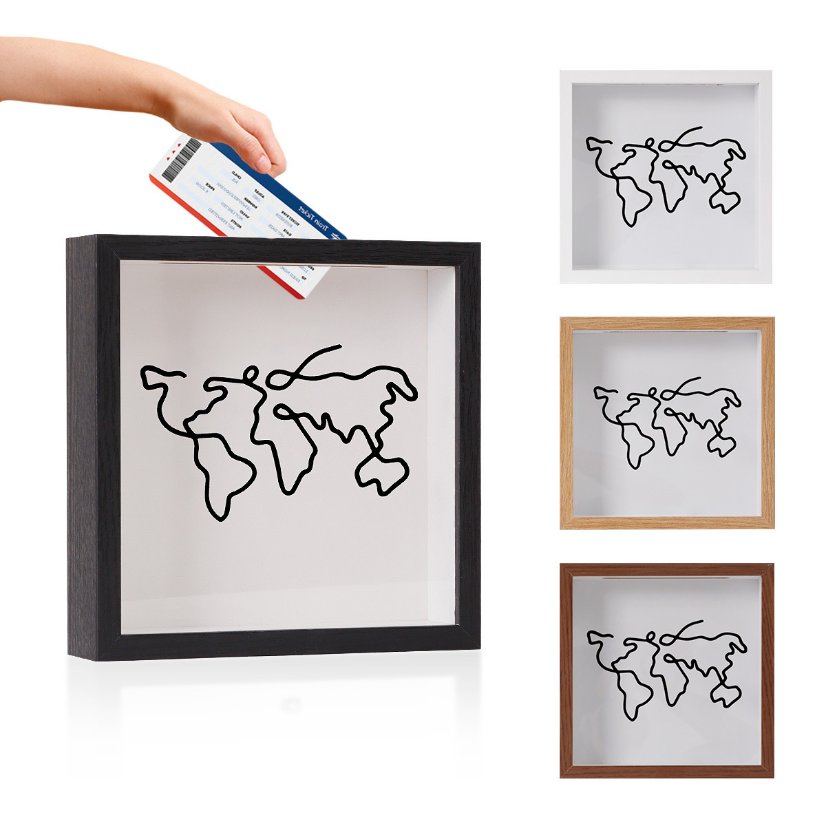
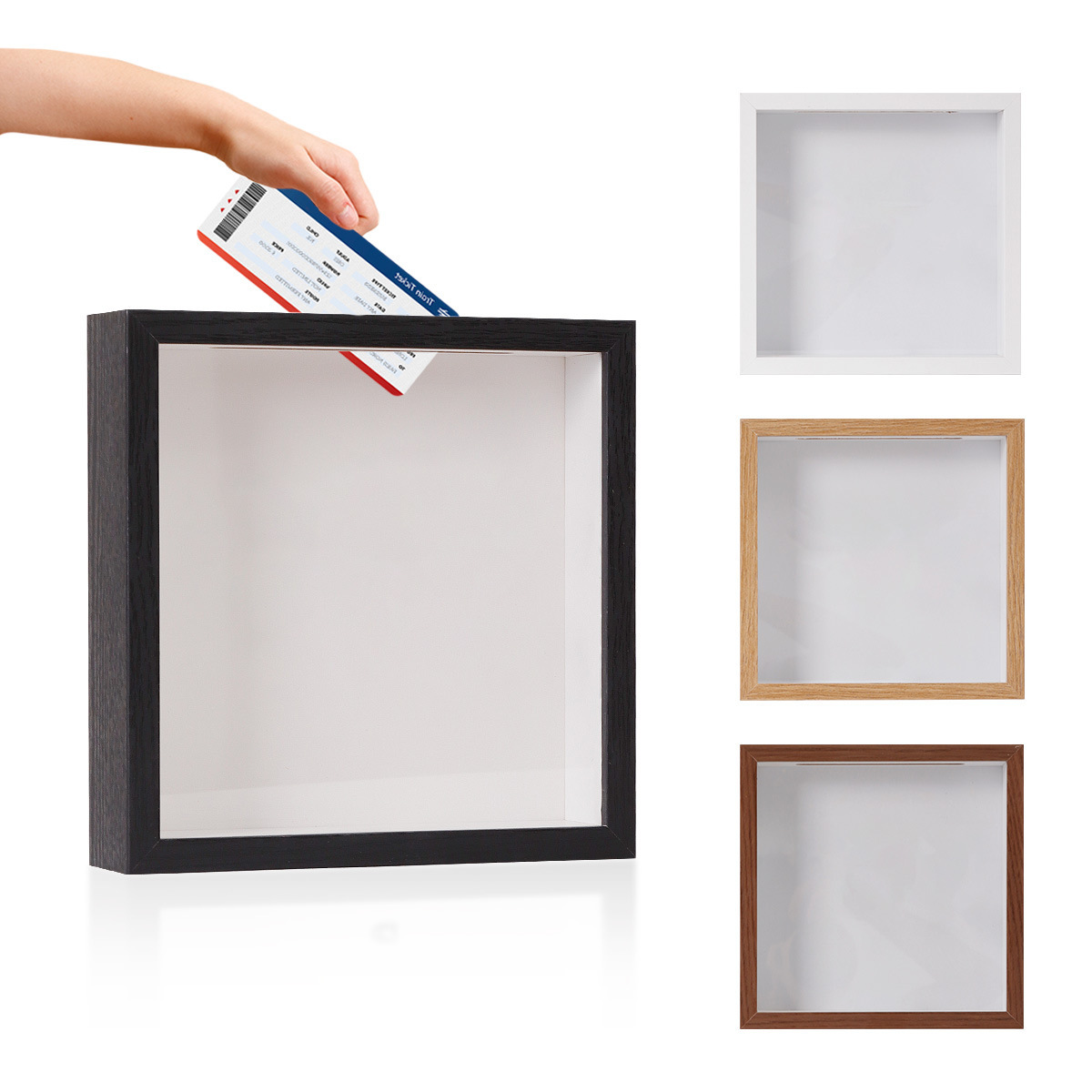
Qingen lists a Ticket Stub Storage Photo Frame with an opening above the frame. The gallery includes catalogue views of a hand presenting a ticket near the top and alternative front appearances. For buyers of wholesale MDF picture frames, that identifies a useful enquiry subject: the entrance through which an item reaches the display space. It does not record a completed trial with the buyer ticket or establish how every folded, curled or differently shaped item will behave.
Label the entrance rather than the whole frame
Give the slot its own feature label on the enquiry drawing. Mark the top edge and the direction from which the supplier should describe the opening. Keep the outer frame size, front display area and entrance dimensions on different lines. A supplier answering a question about the overall square frame should not appear to have confirmed the smaller feature used to admit a ticket.
The product description publishes a nominal opening size. Ask the supplier to confirm the actual offered reference, units and endpoints instead of copying the number into a finished specification without context. A perspective catalogue view is useful for locating the feature but cannot provide an independent measurement. If the supplier uses a different naming convention, retain both descriptions and identify the exact feature they refer to.
Describe the proposed inserts without assuming a universal fit
Prepare a short register of the paper items relevant to the intended offer. Identify each representative item and state which of its characteristics need discussion, such as its outline, thickness in the proposed condition or whether it is folded. These are buyer-provided requirements, not properties established for an unseen assortment of travel documents. Keep the sample identity visible alongside the question.
A photographed boarding-pass-style prop does not define every insert accepted by the product. Do not derive a maximum capacity or an all-ticket compatibility claim from the gallery. Where the buyer requires a physical review, ask the supplier to identify the frame sample and demonstrate the proposed insert under agreed conditions. Record the observation and any unanswered question without replacing it with a broad suitability statement.
- Give the entrance its own feature label and endpoints.
- Identify representative inserts without claiming universal compatibility.
- Keep entrance, storage space and retrieval evidence separate.
Separate entry observations from storage and retrieval
Use separate response fields for the entrance, the internal display space and the method for removing collected items. A response confirming the slot location does not establish cavity depth, how many items can be stored or whether a rear panel opens. Link those other questions to their own evidence requests. This prevents one accepted feature from silently becoming approval of the complete frame construction.
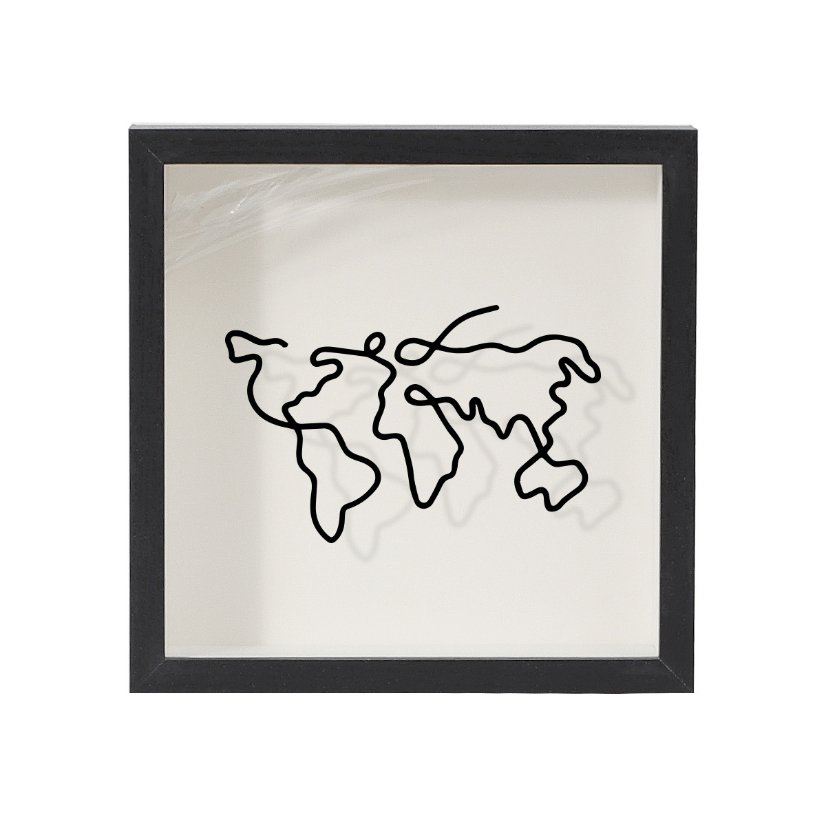
Record which representative insert was actually considered and whether the supplier supplied a drawing, a photograph or a demonstration. A proposed demonstration remains pending until received. Do not turn the staged catalogue hand into evidence that the buyer particular paper item was tested. Likewise, the plain and map-decorated references are appearance options; their similar front outline does not establish identical entrance details.
| Record field | Buyer question | Evidence boundary |
|---|---|---|
| Entrance identity | Which top feature and offered revision? | Not the outer frame or front aperture |
| Measurement endpoints | Where do length and width begin and end? | Not a pixel estimate |
| Representative insert | Which named paper item and condition? | Not every possible ticket |
| Supplier response | Drawing, observation or pending demonstration? | Not an unperformed capacity or fit result |
Release an entrance record with clear limits
Retain the supplier reply against the exact frame reference and drawing revision. State which entrance details are accepted for the enquiry and which need clarification. If an alternative frame size or construction is offered, request confirmation of the entrance again rather than assuming a scaled version of the original. Preserve the earlier response so a later reviewer can identify what changed.
The purchasing output should be a limited slot-and-insert record, not an installation guide or a performance certificate. It can support an order discussion and a later identified sample review. It does not confirm preservation, damage-free handling, child suitability or the number of tickets a future unit can hold. Price, quantity and delivery remain separate commercial responses for the actual order.
Frequently Asked Questions
Does the square frame size define the entrance?
No. Keep the outer size and the separately identified slot on different specification lines.
Does the catalogue hand show a completed sample trial?
It is a catalogue illustration of the product reference. A trial with the buyer insert requires its own identified evidence.
Can slot acceptance establish storage capacity?
No. Entrance information, internal space and quantity capacity are different questions.
Does this record define how tickets are removed?
No. Ask for a separate retrieval and reclosure explanation for the actual offered frame.
Use the ticket storage frame listing as the reference. Read the Qingen blog and contact the supplier with the slot labels, representative-insert register and unanswered entrance questions.