
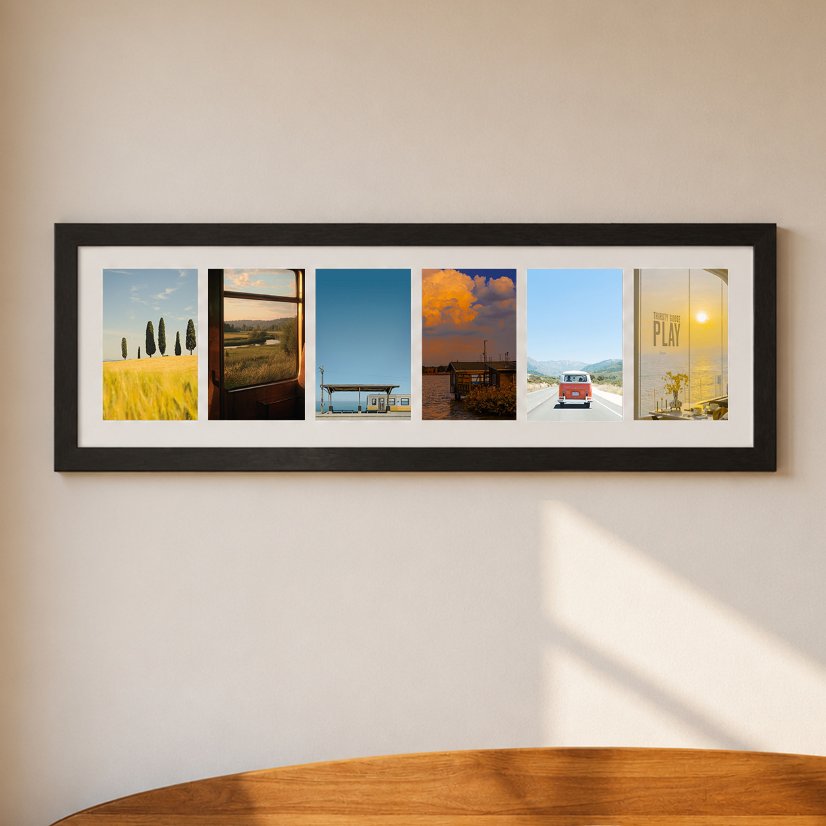
Multi-Photo Frame Packs: Keep Layouts Identifiable
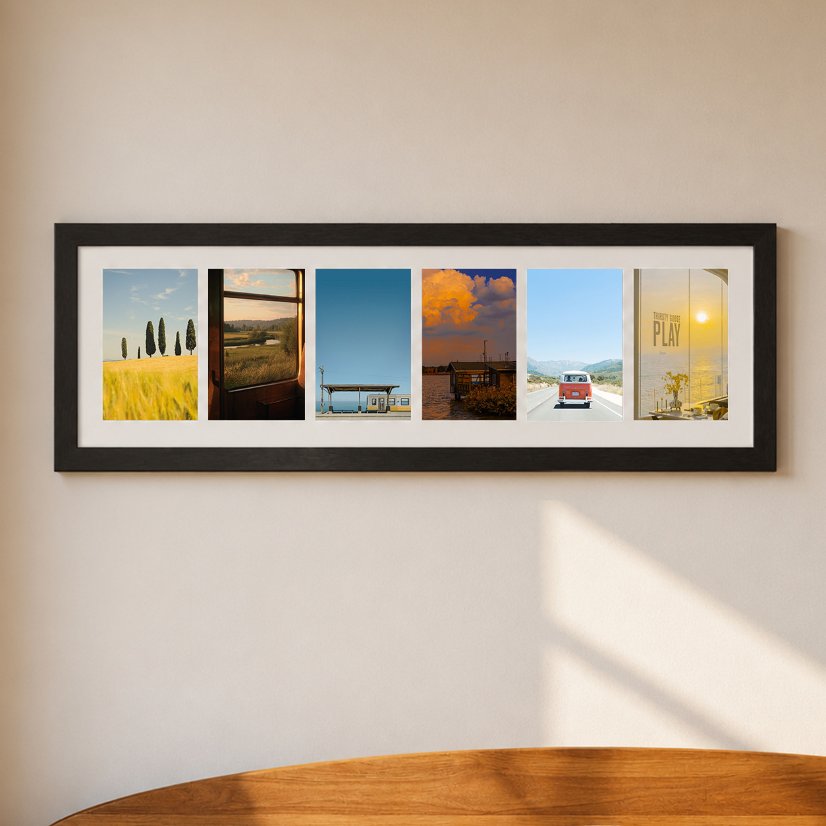
Identify each multi-photo frame pack by its product reference, mat layout, orientation and supplied components. Keep the number of photo openings separate from the number of frames supplied. Confirm the label and packed arrangement against an accepted sample so a receiving team can distinguish similar layouts without relying on a styled front photograph.
A catalogue photograph may show several images inside one surround. For a wholesale MDF picture frame order, that creates two different counts: the openings within a frame and the frames within a pack. A clear packing record separates those counts, connects the selected layout to a code and preserves the information needed to identify the merchandise after it leaves the showroom.
Assign a code to the selected mat layout
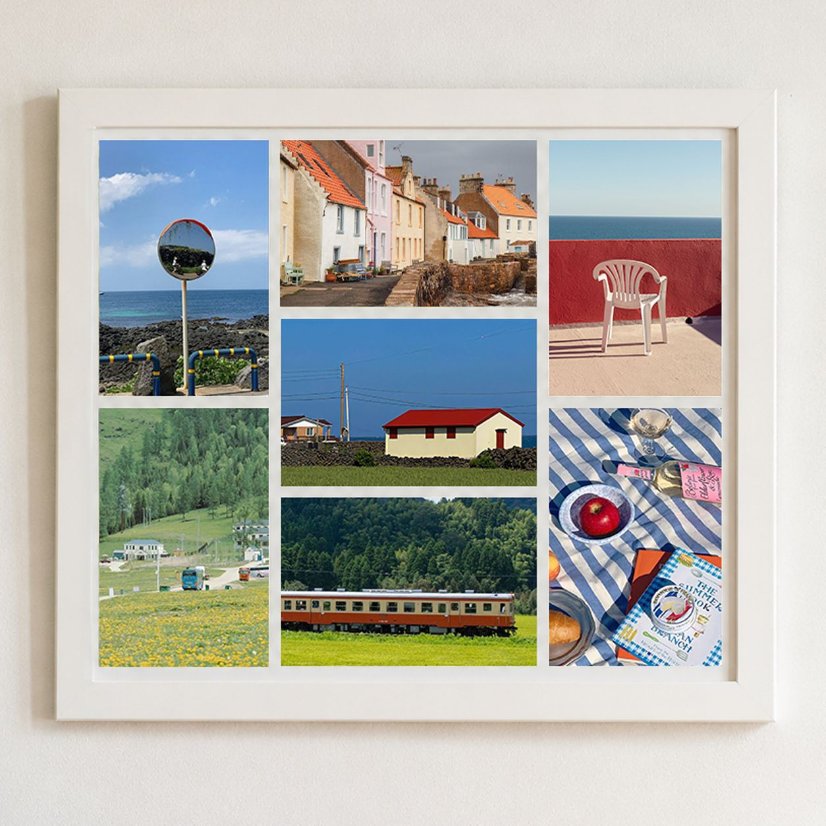
Qingen Frame’s multi-photo frame reference describes MDF construction with a paper-wrapped finish, a backboard and alternative cardboard inserts. Its title names six-grid and seven-grid versions. Use an annotated layout image and a buyer code for the selected version rather than letting a general multi-photo description cover both arrangements.
Record the number and position of the intended openings, including portrait and landscape orientation. Confirm actual aperture dimensions with the supplier. A generic photo size on a catalogue page may not explain the visible area of every opening. If a custom layout is requested, identify the drawing as a proposal until the supplier has confirmed it.
- One code for each selected mat layout
- Photo openings and supplied frame quantity separated
- Front layout and rear assembly photographs retained
- Pack label and contents tied to the same revision
Separate frame quantity from photo capacity
State whether the quotation is for an individual frame or a defined group of frames. Then describe the mat layout inside each frame. Six visible photo positions do not mean six frames are included, and a collection photograph does not define a retail set. Keep quantities by layout and finish explicit so the supplier can prepare a comparable packing proposal.
If the buyer wants mixed cartons, provide a breakdown for every layout code. Ask whether individually packed units will carry the same identifier as the carton contents list. Avoid informal names such as large collage or travel design when a precise code is available. Printed example photographs may be display props and should not become part of the supplied scope without confirmation.
| Pack record | Required distinction | Evidence to retain |
|---|---|---|
| Layout | Opening count and orientation | Annotated approved mat drawing |
| Quantity | Frames per unit versus photo positions | Assortment breakdown |
| Components | Frame, mat, front and backing scope | Accepted front and rear views |
| Identification | Layout code and finish | Reviewed unit and carton label |
Confirm the complete framed assembly
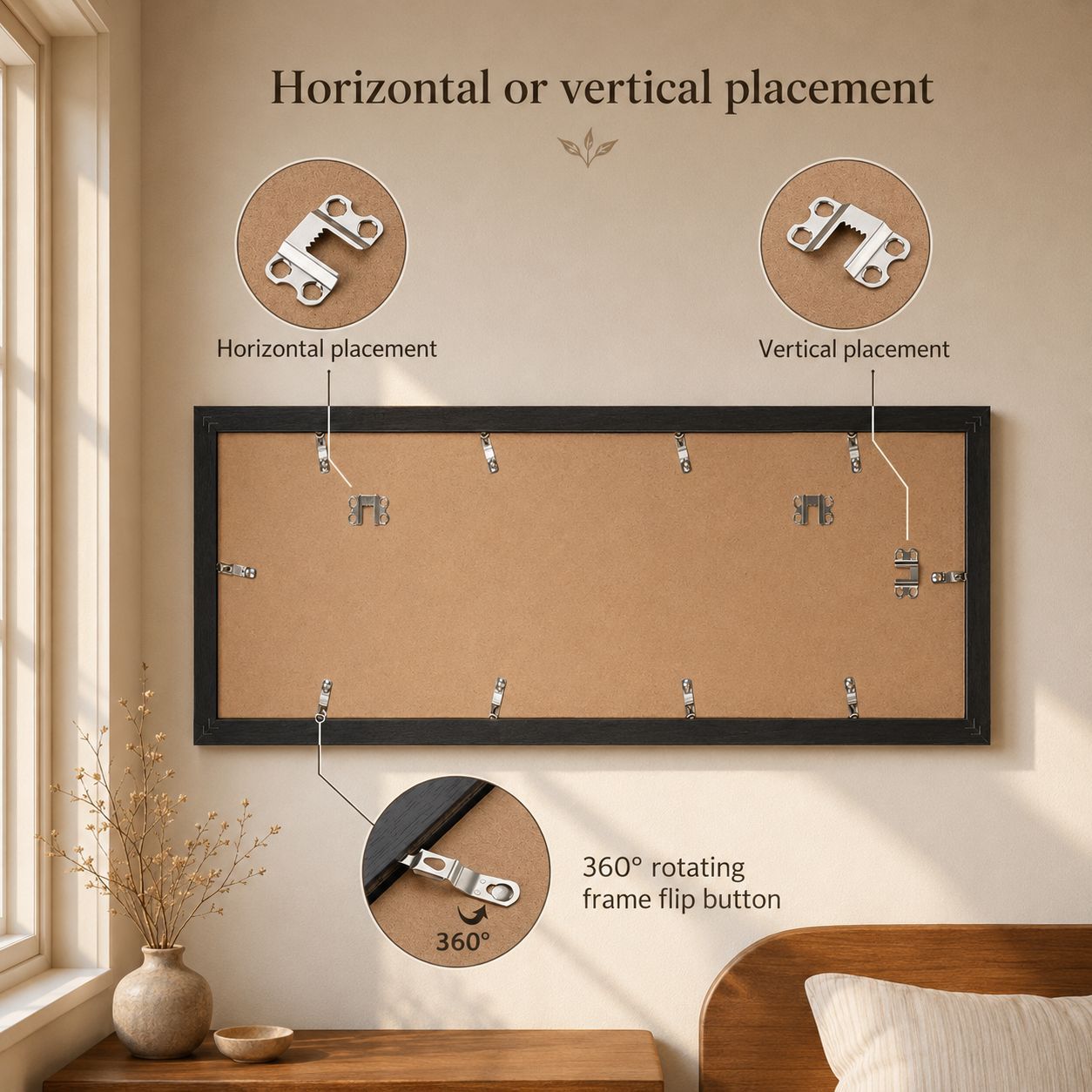
Ask which front sheet, mat, backboard and retaining components are supplied with the selected version. Retain a rear view of the accepted sample as well as its front layout. The official product illustration shows rear hardware and retainers, but the final order should identify the actual configuration rather than assuming every size and layout uses identical parts.
Confirm the intended display orientation and included hanging components separately. Do not infer wall fixings or a mounting load rating from the appearance of a rear hanger. If the supplier changes the backboard or hardware, update the assembly record and check whether the pack needs revision. The frame’s appearance approval should remain linked to what is actually enclosed.
Review protection and labels on a packed sample
Request the proposed arrangement for the frame face, corners and any loose components. Record the materials and separation proposed by the supplier without assuming a particular protective method is already included. Inspect the packed and unpacked sample using an agreed procedure, retaining photographs of its condition. Packaging approval should describe actual observations rather than promise untested transit performance.
Place the layout code, finish reference, quantity unit and order identifier on the proposed label. Ask where each label will be attached and whether the buyer’s barcode artwork is required. Keep the contents description consistent with the purchase order. A receiving clerk should be able to identify a unit without opening every pack simply to count its apertures.
Release the layout and packing revisions together
Give the mat drawing, sample and packing proposal revision dates. If the layout changes, check whether the label or contents description also needs to change. Retain earlier versions with their status rather than overwriting them. This creates a clear record when a later quotation or shipment must be compared with the arrangement originally selected by the buyer.
Use the current frame catalogue to choose references, then request confirmation for the actual assortment. Packing approval does not establish material performance, price, minimum quantity or delivery. Keep those questions separate and leave unanswered fields visible. The result is a pack definition that follows the merchandise from selection through receiving.
Frequently Asked Questions
Does a seven-photo layout mean a seven-frame set?
No. The openings describe the layout within the selected frame. State the number of supplied frames separately in the quotation and pack record.
Can a front photograph identify all components?
No. Confirm the backing, retainers and included hanging parts for the actual reference, and retain a rear view of the accepted sample.
Does a reviewed pack prove transit resistance?
No. It records the proposed arrangement and observed condition. Any required transit evaluation needs a separately agreed method and evidence.
Share your layout codes and pack questions through Qingen Frame’s contact channel. Visit the company blog for related wholesale guides.