
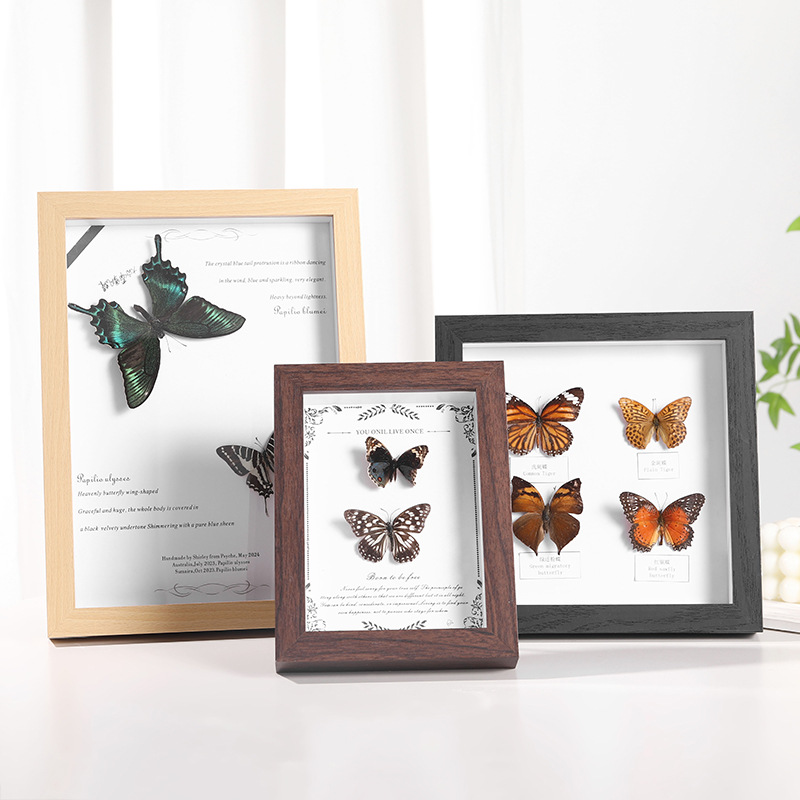
Specimen Frames: Define the Usable Display Space
Specify a specimen frame using three separate dimensions: the visible opening, the area available for its backing and the clear depth for the intended display. Identify how the frame opens and what is supplied. Confirm the measurements on an agreed sample rather than assuming that a catalogue size describes all three spaces.
Buyers of wholesale MDF picture frames may need to display flat photographs, leaves or objects with depth. Those uses place different demands on the space inside a frame. A reference described as hollow is a starting point for an enquiry, but purchasing still needs a drawing that shows which dimensions matter and which components will arrive with the quoted product.
Select the frame construction before the size
Qingen Frame lists a hollow specimen reference and a second hollow frame reference. Their descriptions refer to density board and a nominal hollow depth. Record the exact selected product link so a quotation does not combine details from two similar pages.
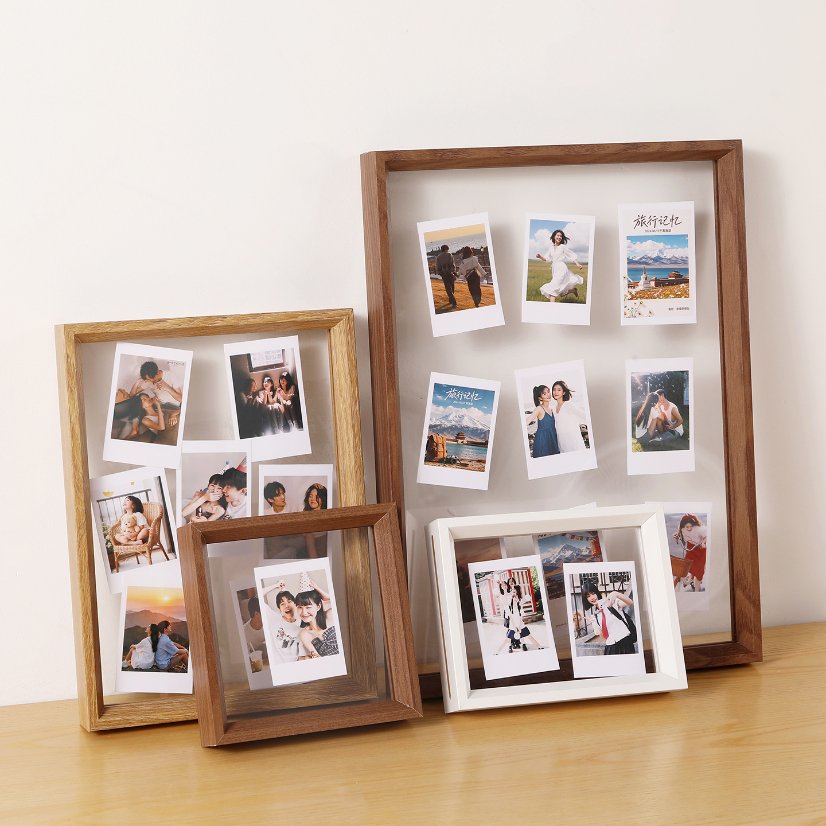
The catalogue also includes a transparent display frame described with transparent sheets on both sides. Treat this as a distinct construction, not an interchangeable depth variant. Ask the supplier to confirm the selected frame’s front, backing and access arrangement in writing before choosing the final display contents.
- Exact frame reference and construction selected
- Visible opening and backing dimensions separated
- Clear depth reviewed with the assembled sample
- Included components and open claims recorded
Label the visible opening and backing area
Draw the opening that a viewer actually sees and give it its own width and height. Then identify the backing or insert dimensions separately. A photograph or printed card can be larger than the visible opening because an edge sits behind the frame. State which areas must remain visible so important artwork is not hidden by the surrounding profile.
Use a labelled drawing with units and orientation. Do not assume that a size printed in a product name identifies the outer frame, insert or exposed image. Ask the supplier which dimension each catalogue value represents. If the buyer needs a custom insert, supply its intended size as a request and obtain confirmation before treating it as an approved fit.
| Dimension or scope | Buyer specifies | Supplier confirms |
|---|---|---|
| Visible opening | Required exposed artwork area | Measured aperture and orientation |
| Backing area | Insert or backing requirement | Actual retained component size |
| Clear depth | Intended display thickness | Available space when closed |
| Supplied unit | Empty frame and required components | Exact included parts |
Measure depth in the assembled condition
Identify the clear space between the relevant internal surfaces after the chosen front and backing are fitted. Ask whether any mounting pad, liner or support reduces that space. A nominal cavity depth does not automatically state the clearance available to an object once the complete assembly is closed. Keep the proposed display thickness and the supplier’s answer on the same specification line.
Review an actual sample with a clearly identified representative insert. Record whether it closes in the intended arrangement and photograph the result from the front and side. Agree how the display will be secured rather than inventing an adhesive or fixing method. If the contents change, review their fit again instead of extending an earlier approval to every possible object.
Confirm access, supplied parts and claim limits
Ask how the selected reference is opened, how the backing is retained and which loose parts are included. Catalogue photographs contain example displays; they do not establish that specimens, printed art or other props are supplied. List an empty frame, backing, front sheet and any agreed mounting components as separate scope questions until the quotation resolves them.
Request the actual front material and construction for the quoted reference. Different catalogue descriptions use glass or acrylic terminology, so copying one page’s wording across the range could create a mismatch. Appearance inspection also does not establish archival preservation, UV protection, waterproofing or an airtight seal. Keep those properties out of the product claim unless appropriate product-specific evidence supports them.
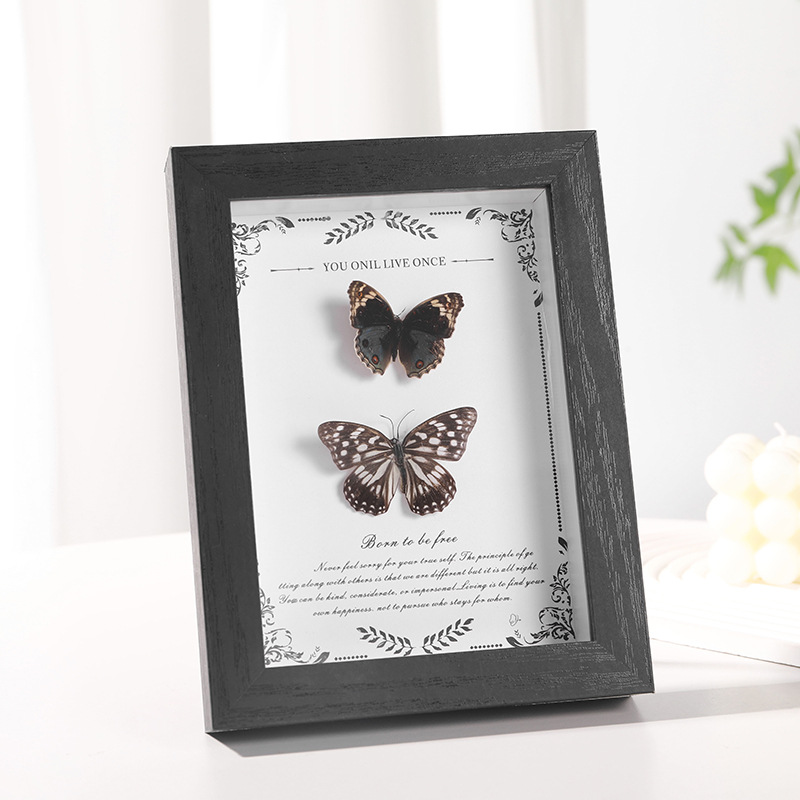
Approve one traceable frame and insert pairing
Give the accepted sample a revision number and retain the drawing and photographs together. Record which opening, backing fit and depth points were accepted and which questions remain pending. If the profile, front sheet or backing changes, ask whether the internal space has also changed. A colour-only description is not enough to identify an approved construction.
Before releasing a bulk order, reconcile each frame reference with its quantity, supplied scope and sample revision. Browse the current product catalogue for selection, then request an order-specific response. Minimum quantity, price, packing and delivery remain separate commercial questions; a successful fit review does not settle them.
Frequently Asked Questions
Does a nominal hollow depth guarantee object clearance?
No. Confirm usable space after the front, backing and any agreed supports are installed, then review the intended insert with a sample.
Are the photographed specimens included?
Do not assume so. Identify all supplied contents in the quotation; display props in catalogue images are not a packing list.
Can a closed frame be described as archival?
A closed appearance does not establish preservation performance. Ask for evidence for any such requirement and keep the claim separate from dimensional approval.
Send a labelled drawing through Qingen Frame’s enquiry page and request a reference-specific response. Visit the company blog for related buying guidance.